
The gardening landscape is shifting, with 2026 poised to be a transformative year. Native plants are taking center stage, with enthusiasts embracing rewilding – a movement that seeks to return parts of one’s yard to a natural state. This approach not only supports local wildlife but also reduces the need for water, fertilizer, and pesticides.
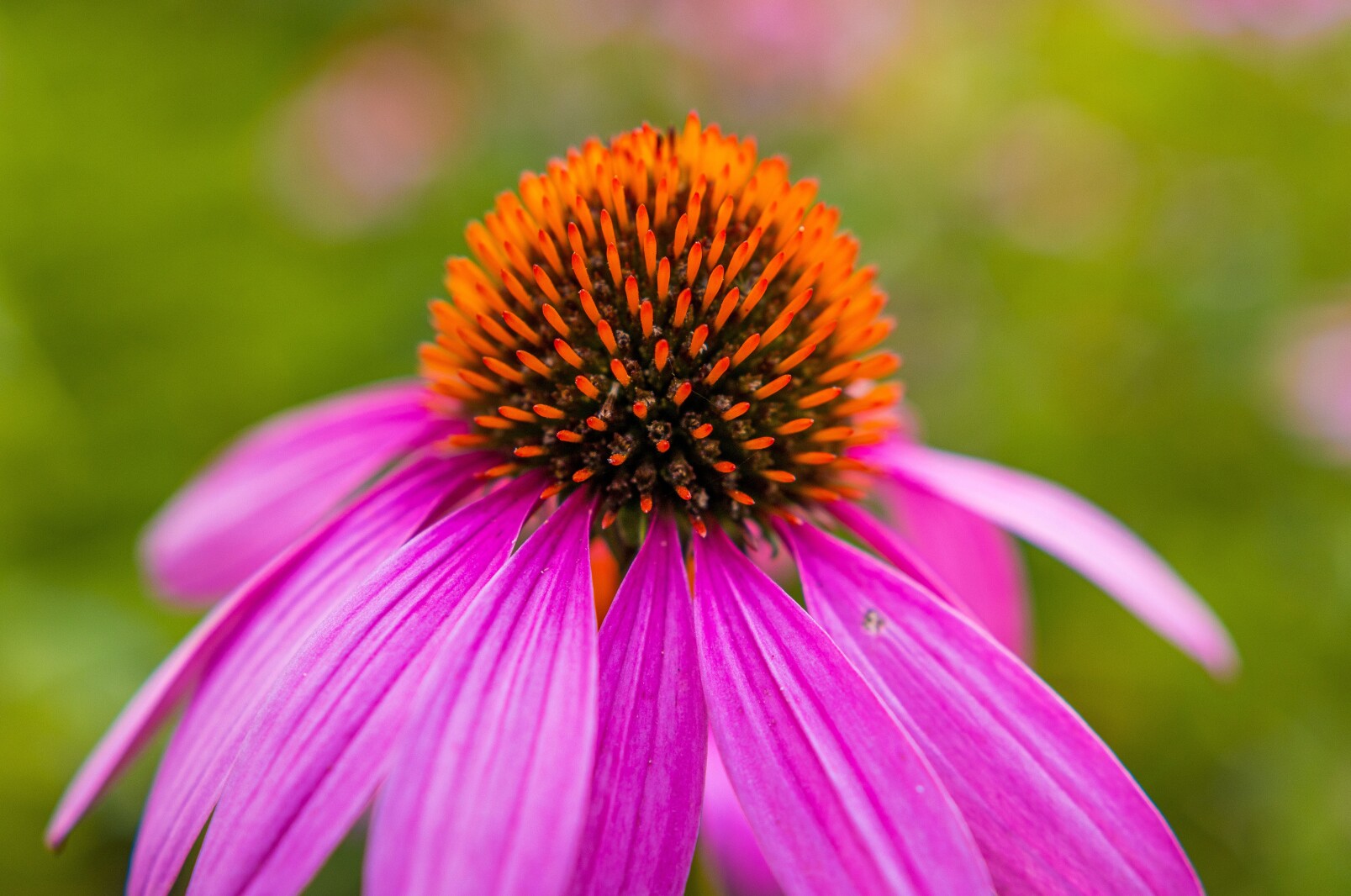
Consider incorporating Minnesota-native plants like purple coneflower, wild bergamot, and little bluestem into your landscape. One of the most compelling aspects of rewilding is its focus on imperfection. A pollinator-friendly landscape prioritizes a healthy environment over a perfectly manicured one. This approach encourages gardeners to replace traditional lawns with bee lawns or shrubs and flowers, providing essential food and habitat for pollinators.
The elimination of pesticides is crucial in protecting these vital creatures. Houseplants continue to captivate, with collectors seeking unusual and rare specimens. Kokedama, the Japanese art of creating moss-covered balls featuring unique plants, is gaining traction. Air plants, like Tillandsia, remain popular due to their low-maintenance requirements and versatility in display.
Imagine suspending a delicate air plant from a glass globe or showcasing a kokedama on a wooden platform.
In a stunning revelation, the world’s most renowned botanical gardens are now at the forefront of a revolutionary movement: harnessing the power of plant intelligence to create more sustainable ecosystems. For centuries, humans have viewed plants as passive organisms, but recent research has revealed that they are, in fact, capable of complex behaviors and adaptations.
By tapping into this intelligence, scientists and gardeners are unlocking new ways to optimize crop yields, reduce water consumption, and promote biodiversity.
One of the pioneers in this field is Dr. Suzanne Simard, a forest ecologist who has spent decades studying the intricate networks of fungal hyphae that connect trees in a forest ecosystem.
Her groundbreaking research has shown that these networks, often referred to as “wood wide webs,” allow trees to communicate and share resources with one another.
By mimicking these networks in controlled environments, researchers are developing innovative approaches to sustainable agriculture and horticulture. The implications of plant intelligence are far-reaching and have the potential to transform the way we interact with the natural world.
Imagine a future where gardens are designed to optimize the cognitive abilities of plants, allowing them to adapt and respond to their environment in real-time. This vision is already being realized in cutting-edge botanical gardens, where scientists are using advanced technologies like AI ← →
◌◌◌ ◌ ◌◌◌
Popular gardening trends for this year include: gardening with more native plants, (including rewilding)
Related perspectives: Check here


